
The Mermaid Silhouette Has a Story That Goes Back Much Further Than Prom Night
13:43Imagine getting ready for a school dance in the early 1930s. There are no group chats filled with dress inspiration, no online shops delivering several sizes to your door and no quick change of mind after scrolling through hundreds of photographs. Instead, choosing an evening dress might mean visiting a department store, looking through a fashion magazine or relying on a dressmaker to turn an idea into something wearable.

The world outside the ballroom was changing rapidly, but evening fashion still offered a little escape from everyday life. Long gowns made from satin and other fluid fabrics were becoming popular, with designers experimenting with cuts that followed the body's natural lines. One particularly striking silhouette emerged during this period: a dress that stayed narrow through the bodice and hips before opening out dramatically towards the hem. It would become known as the mermaid silhouette.

The look was not entirely new. Fashion in the late nineteenth century had already played with narrow skirts and pronounced shapes around the hips. However, the 1930s gave the silhouette a distinctly modern character. Designers explored dramatic outlines, while the era's love of flowing fabrics helped create gowns that seemed to move almost like liquid. Hollywood added to the appeal, bringing elegant eveningwear to audiences who might never have attended a glamorous film premiere themselves.
Fast-forward to a modern prom, and the setting could hardly be more different. A student can save dozens of photographs before making a decision, compare designs online and see how different silhouettes look on people with different proportions. Yet the basic attraction of the mermaid dress remains surprisingly familiar. There is a moment when the fitted shape gives way to a sweeping skirt, creating movement that a straight-cut dress simply cannot reproduce in the same way.

Of course, today's mermaid prom dresses are not exact copies of their historical predecessors. Some feature sculpted bodices and dramatic trains, while others use lighter fabrics, sheer panels or delicate embellishments to soften the silhouette. The shape can be glamorous without looking vintage, which helps explain why it continues to appear in modern formalwear.
The difference between then and now is not just the dress itself. A young woman preparing for a formal evening nearly a century ago might have imagined the occasion through film magazines and illustrations. Today's students build their own collections of inspiration from social media, online shops and photographs shared by friends. The tools have changed, but the anticipation of seeing the finished look for the first time has not.
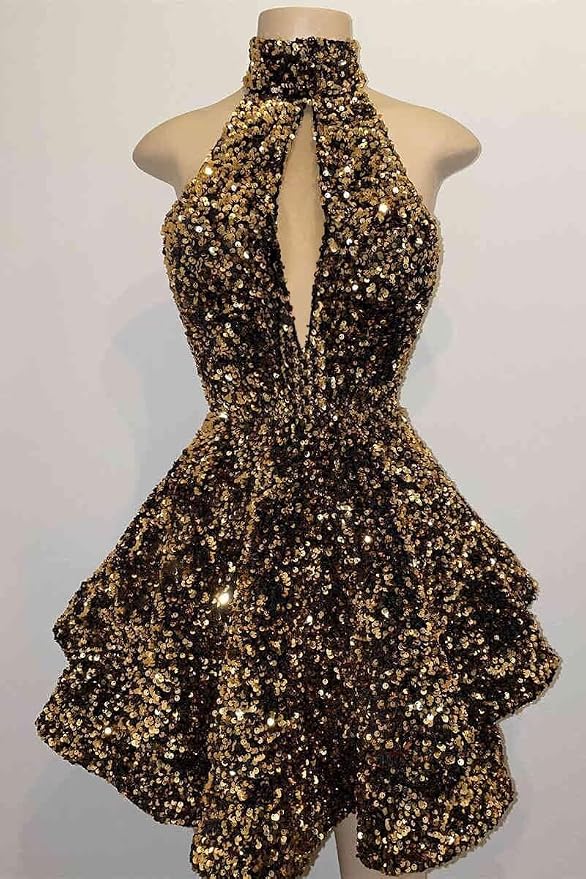
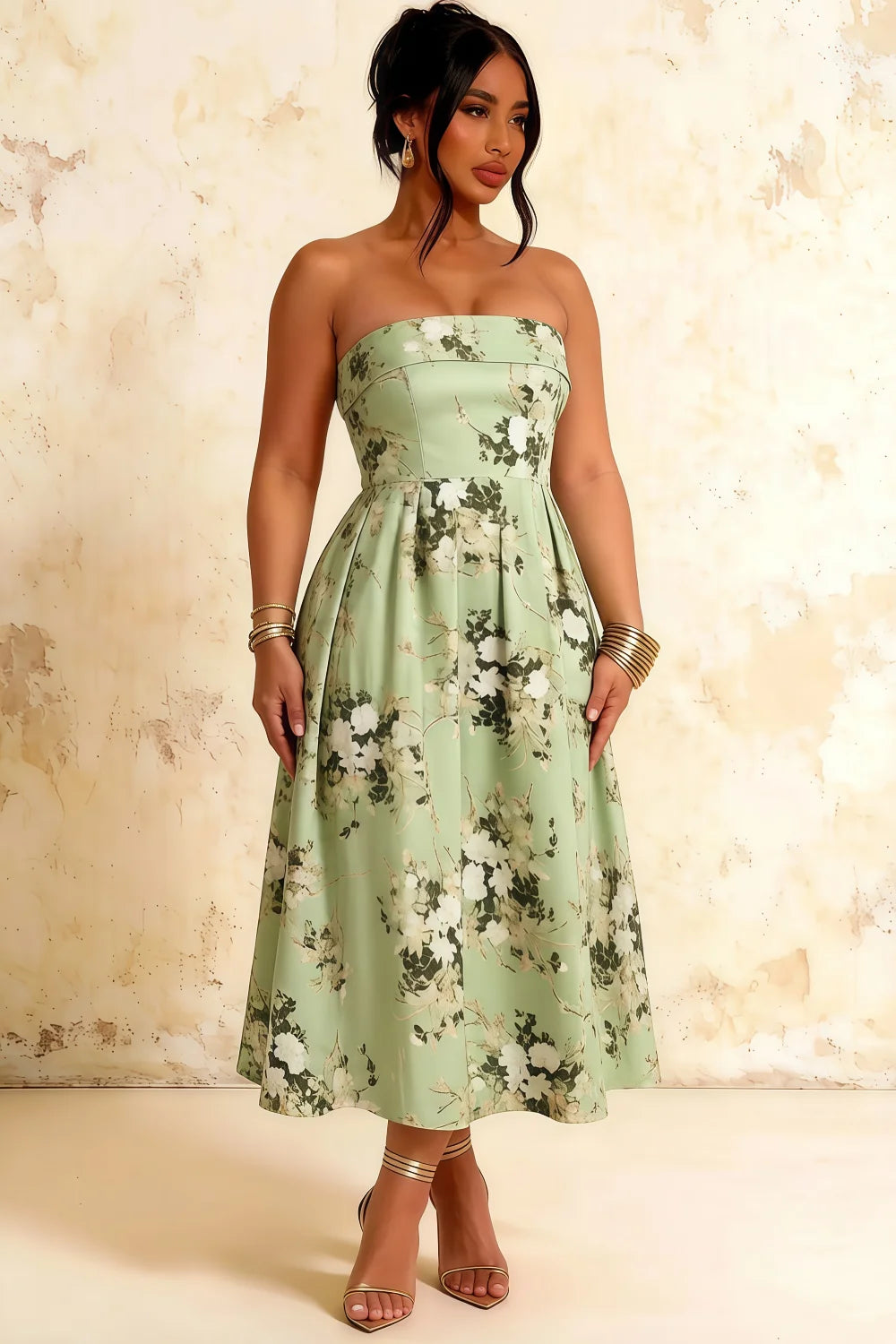
The images accompanying this article are sourced from Daliprom, where different designs offer inspiration for anyone interested in this distinctive silhouette.

Perhaps that is the real reason certain dress shapes survive for generations. They can be adapted to new fabrics, new expectations and entirely different social occasions without losing the detail that made them memorable in the first place. The mermaid silhouette began its modern rise long before today's prom traditions, yet it still has the power to make an entrance. And while the photographs, music and ways of shopping may change, the excitement of dressing for a night that feels different from all the others remains remarkably timeless.
facebook: Fashion, Beauty and Style









0 коментара